
Rights, equality and justice
Every woman has rights. Every woman deserves dignity. Every woman deserves to be heard.
Rights should exist not only on paper, but in women’s everyday lives.

Our commitment
Empowerment includes the power to understand and exercise your rights.
AWEF believes empowerment is not only about helping women cope with difficult circumstances. It is also about ensuring women have the knowledge, confidence, voice and support they need to understand their rights, challenge inequality and participate fully in society.
We stand alongside women as they organise information, communicate concerns, consider options and find appropriate support.
Women’s rights
Knowledge creates power.
We increase women’s awareness and confidence so they can recognise unfair treatment, understand where appropriate help can be found and participate in decisions affecting them.

Equality and discrimination
Challenging barriers to equal participation
When similar experiences repeatedly affect different women, AWEF considers whether there is a recurring barrier, whether particular groups are disproportionately affected, how services or practices could improve and whose voices may be missing from decision-making.
Employment
Supporting fair participation at work
Women may raise concerns about workplace treatment, communication, discrimination, dismissal or working conditions. We can listen, help organise information, support appropriate communication, provide general rights awareness and connect women with qualified professional support.
Housing and public services
Dignity should not depend on knowing the system
We may help women understand communications, navigate services, raise concerns and identify appropriate specialist support. Where patterns emerge, women’s experiences can inform conversations about better services and practice.
Advocacy
Standing alongside women.
Advocacy means helping women understand their options, express concerns, communicate with institutions and have their voices heard.
We advocate alongside women — not instead of them.
Access to justice
Connecting women with trusted specialist support.
Where a woman presents an issue requiring legal advice or representation, we can support an appropriate referral or signpost her to qualified professional assistance. With her consent, AWEF may continue to provide community-based advocacy and practical support alongside that specialist involvement.
AWEF provides
- Advocacy
- General rights awareness
- Signposting
- Appropriate referrals
- Community-based advocacy and practical support alongside specialists, with consent
Qualified legal professionals provide
- Regulated legal advice
- Legal representation
Our role and professional boundaries
AWEF is not currently a regulated legal advice provider. AWEF provides advocacy, general rights awareness, signposting and appropriate referrals. Regulated legal advice and representation remain with appropriately qualified legal professionals.
If you are in immediate danger
AWEF is not an emergency service. If you or someone else is in immediate danger, call 999. If you cannot speak, listen to the operator and press 55 when prompted.
From individual experience to systemic change
One woman’s experience may reveal a bigger problem.
With consent, care and appropriate safeguards, recurring experiences can become evidence for better policies, practices and services.
- ListenHear the experience
- SupportRespond safely
- DocumentRecord with consent
- IdentifyNotice patterns
- UnderstandExplore barriers
- EvidenceBuild insight
- AdvocateRaise the issue
- InfluenceEngage decision-makers
- ChangeLearn and improve
Lived experience and justice
Nothing about women without women’s voices.
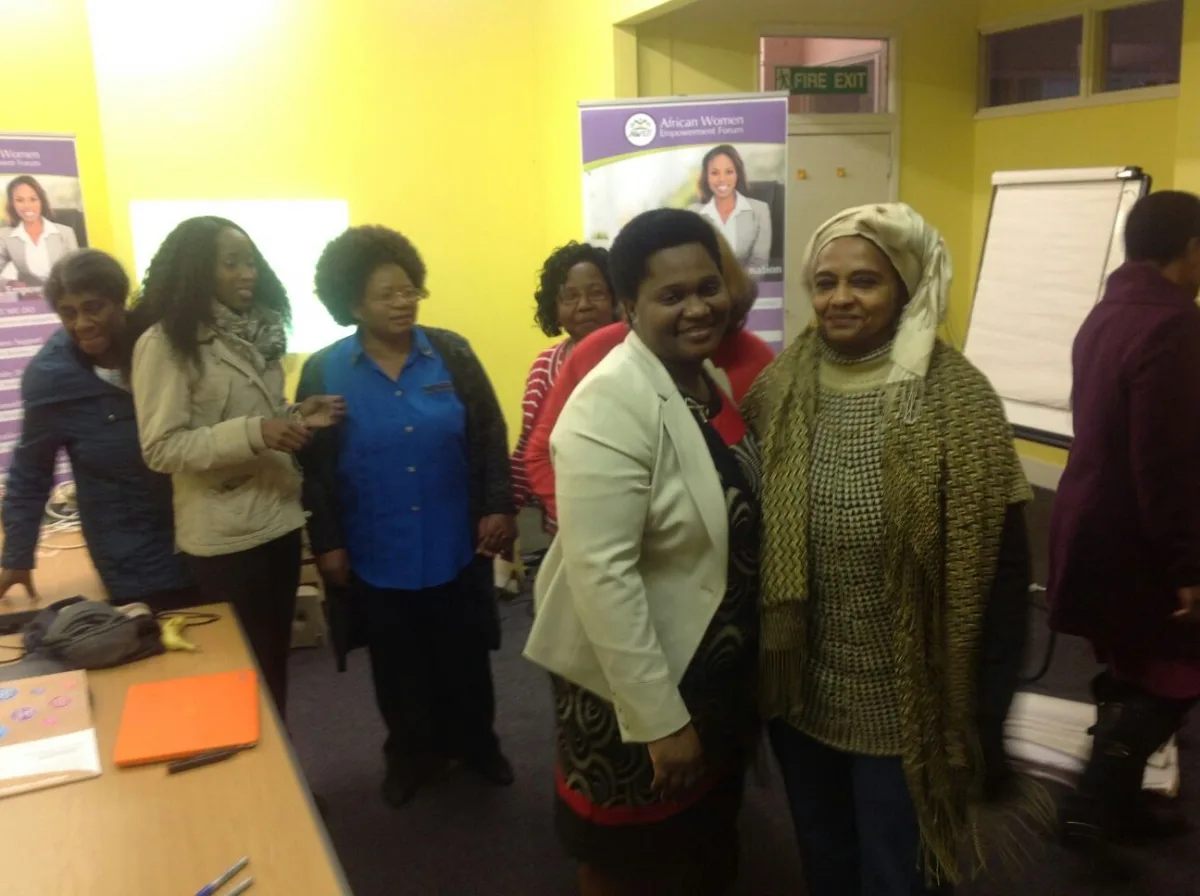
Women may choose to contribute through listening sessions, lived-experience forums, community consultations, advisory groups, participatory research, consented case studies, campaigns and engagement with decision-makers.
Participation must always be voluntary, respectful, safe and appropriately supported.
Lived experience is not something we extract from women. It is expertise that women choose to contribute.
Working with partners
Justice requires collaboration.
AWEF seeks meaningful relationships with organisations that can help turn knowledge and community trust into better support and wider change.
- Community organisations
- Legal practitioners and specialist advice organisations
- Local authorities and public bodies
- Health services
- Universities and researchers
- Employers and professional organisations
- Equality and human-rights organisations
- Social-justice funders
Our rights and justice principles
- Dignity
- Knowledge
- Voice
- Access
- Change
Our ambition
A stronger bridge between lived experience, frontline support and systemic change.
We want to:
- Deepen partnerships with specialist legal, research and policy organisations.
- Improve how frontline evidence is gathered and learned from.
- Ensure women’s experiences contribute meaningfully to better policies, practices and services.
Take the next step
Support today’s woman. Challenge today’s inequality.
Ask AWEF for support, work with us as a partner or help make rights and opportunity more accessible to African women and families.